
More than 30 professors from the UPM, from 5 different University Centers participate in the Master.
All the professors of the Master are doctors with a high level of academic qualification and great teaching and research experience. In fact, the teaching and research trajectory of the group of professors of the master’s degree endorses the fact that this group can be considered as one of the reference groups in the field of Biomedical Engineering within the Spanish university environment, and one of the leading groups also to international level.
The cast of professors is in a process of continuous improvement in their research activity, as evidenced by their publications, professional merits and results of their research groups, including those obtained by doctors trained in the master’s degrees to which the current title is heir.
Most of the master’s professors are of recognized prestige in Biomedical Engineering and many of them have more than 20 years of teaching experience.
More than 20 professional guests and experts from other universities, hospitals, health technology companies and postgraduate centers also participate in research seminars of the master’s degree.
All of this is very suitable to carry out an attractive, modern, advanced offer of Final Master’s Projects that results in the quality of the works presented and the training of the Master’s students.
Master’s Direction & Faculty Team
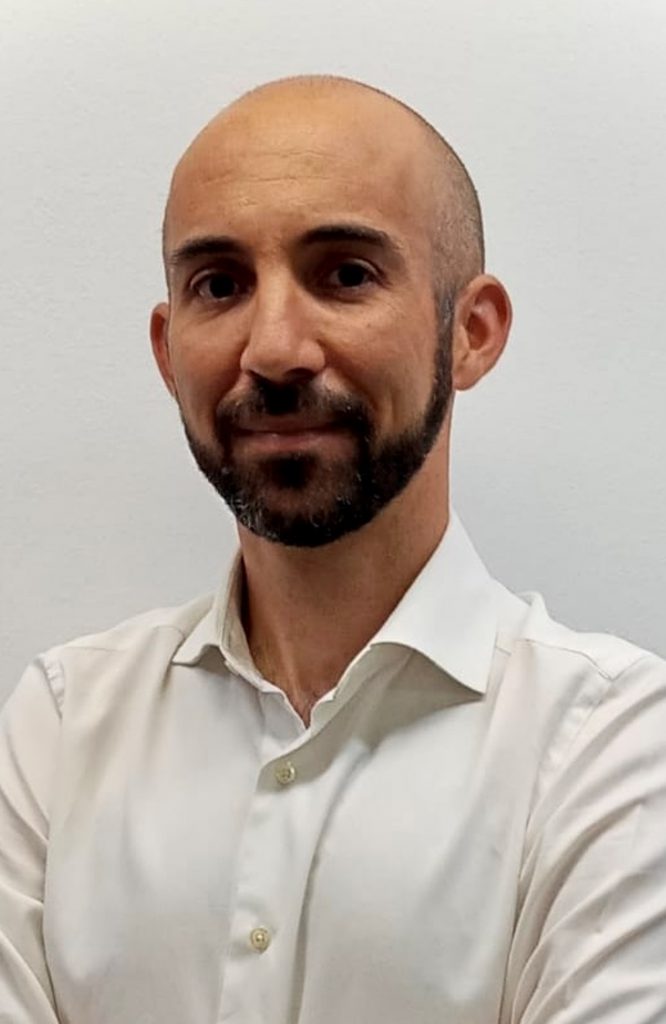
Ignacio Oropesa García
COORDINADOR DEL MUIB
Course Coordinator:
- Biomedical Signals
- Biomedical Signals Laboratory
Ignacio Oropesa García carries out his teaching and research activities in the field of Biomedical Engineering at the Escuela Técnica Superior de Ingenieros de Telecomunicación (ETSIT) of Universidad Politécnica de Madrid (UPM). He has been an Associate Professor since 2024. He obtained his degree in Telecommunication Engineering in 2007 and his PhD with European Mention in Biomedical Engineering in 2012.
He has been continuously involved in teaching since 2010, contributing to undergraduate and master’s programmes. He has delivered more than 1,300 hours of teaching across 16 different courses (including those related to his academic profile). He has coordinated 5 different courses (4 of them continuously since 2016), all within his area of expertise. He has supervised more than 40 final degree projects and more than 50 internships. He has one recognised teaching evaluation period (quinquenio).
He is a member of the Bioengineering and Telemedicine Group (GBT), a recognised research group at UPM, and of the Biomedical Technology Centre (CTB). His research focuses, on the one hand, on technologies for surgical training, particularly in minimally invasive surgery. His work in this area includes the development of computer vision-based surgical instrument tracking systems, research on motion analysis metrics to assess psychomotor skills, the development of physical and virtual simulation environments, the application of artificial intelligence techniques for surgeon assessment, and research on e-learning environments for surgical training.
On the other hand, his research also focuses on biomedical signal and image analysis. This includes work on the detection of interictal EEG patterns in epilepsy, diagnosis of peripheral nervous system disorders using thermographic imaging, detection of cognitive states in trainee surgeons, and prediction of relapse in patients with alcoholism using EEG, among others. He is a member of the UPM Neurotec community and of the NeuroTechAI research group, where he collaborates with other UPM centres on the development of dual-use applications for cognitive load assessment in high-impact scenarios and the development of BCI systems.
His research has resulted in more than 25 articles in JCR-indexed journals (46% in Q1), more than 80 conference contributions (national and international), and the supervision of one PhD thesis. He has participated in 18 research projects (11 European and 7 national). His h-index is 13 in Web of Science and 15 in Scopus. He has two recognised research evaluation periods (sexenios).
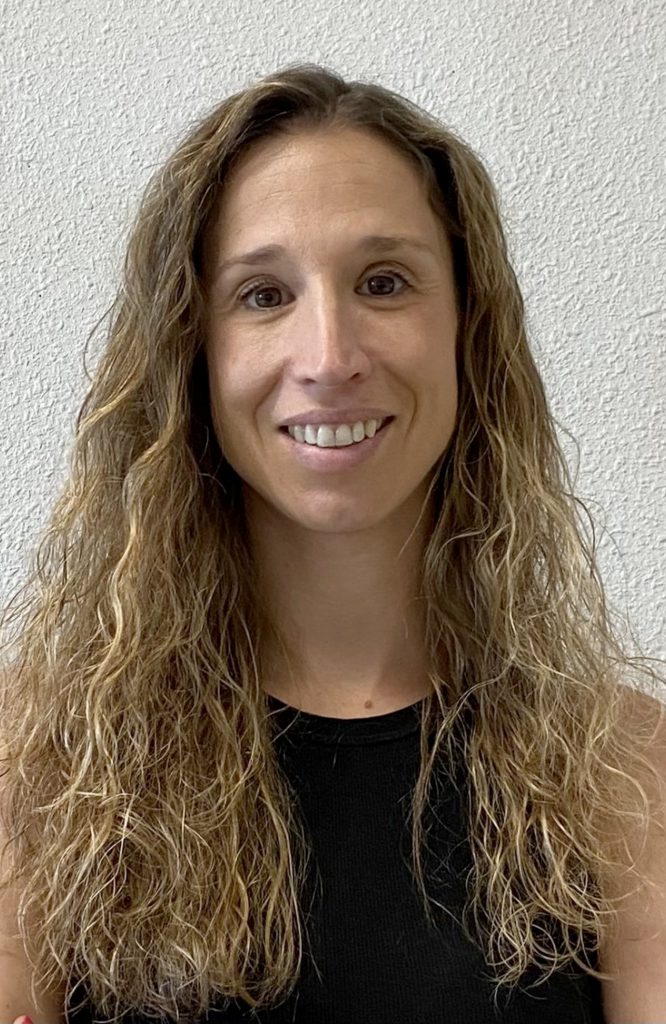
Blanca Larraga García
SECRETARIA ACADÉMICA DEL MUIB
Course Coordinator:
-
Control and Robotics in Medicine
She holds a degree in Industrial Engineering from Universidad de Navarra (2007), a Master’s Degree in Biomedical Engineering from UPM (2018), and a PhD in Biomedical Engineering from UPM (2022).
She has been affiliated with the Department of Photonic Technology and Bioengineering at ETSIT-UPM since 2018, progressing from Teaching Assistant to Assistant Professor (2022) and currently Permanent Lecturer (2023), within the field of Systems Engineering and Automatic Control. She has been awarded one teaching evaluation period (quinquenio).
She is an elected member of the University Senate of UPM (since 2018), the School Board of ETSIT (since 2020), and the Electoral Commission (since 2021). She is also a member of the Spanish Committee on Automation and the Spanish Society of Biomedical Engineering.
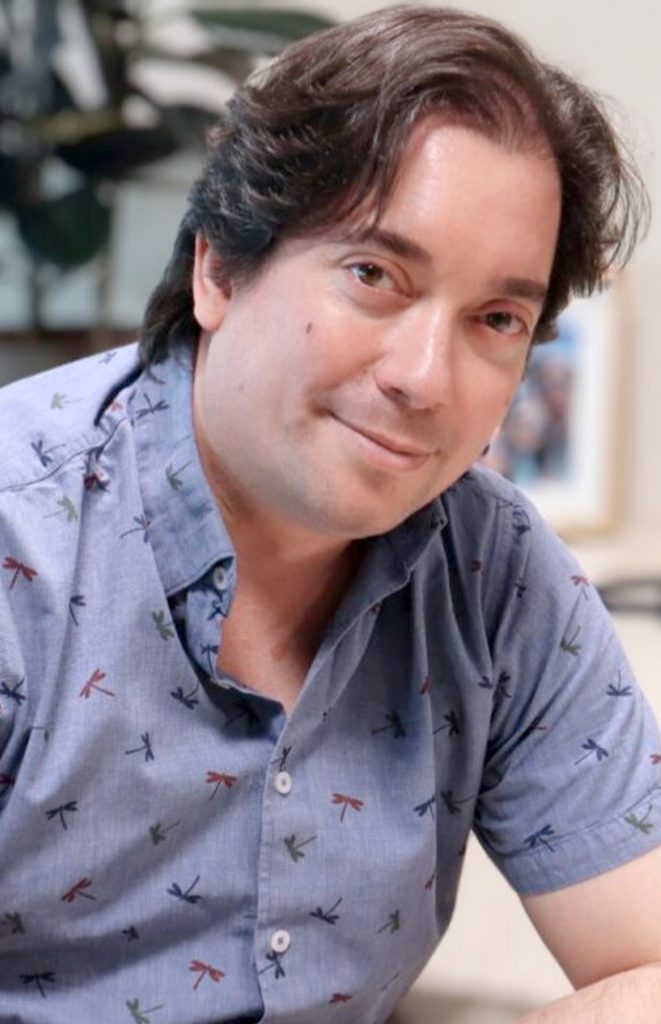
Andrés Díaz Lantada
Course Coordinator:
-
Biomechanics
Mechanical Engineering and Manufacturing (2009) from UPM. His teaching and research activities have been carried out at the Department of Mechanical Engineering, where he is currently Full Professor.
He is a founding member of the Machine Engineering Research Group (2007) and the Educational Innovation Group for Innovative Teaching in Machine Engineering (2006), which he has led since 2015. Since that same year, he has directed the Product Development Laboratory at UPM, a pioneering lab in digital design and manufacturing worldwide.
In 2022, he received the “Juan López de Peñalver” award from the Royal Academy of Engineering and, since 2023, he has been an International Excellence Fellow at Karlsruhe Institute of Technology. In 2025, he joined IMDEA Materials Institute, maintaining his affiliation with UPM, to develop a research line in bioinspired, smart, and living materials.
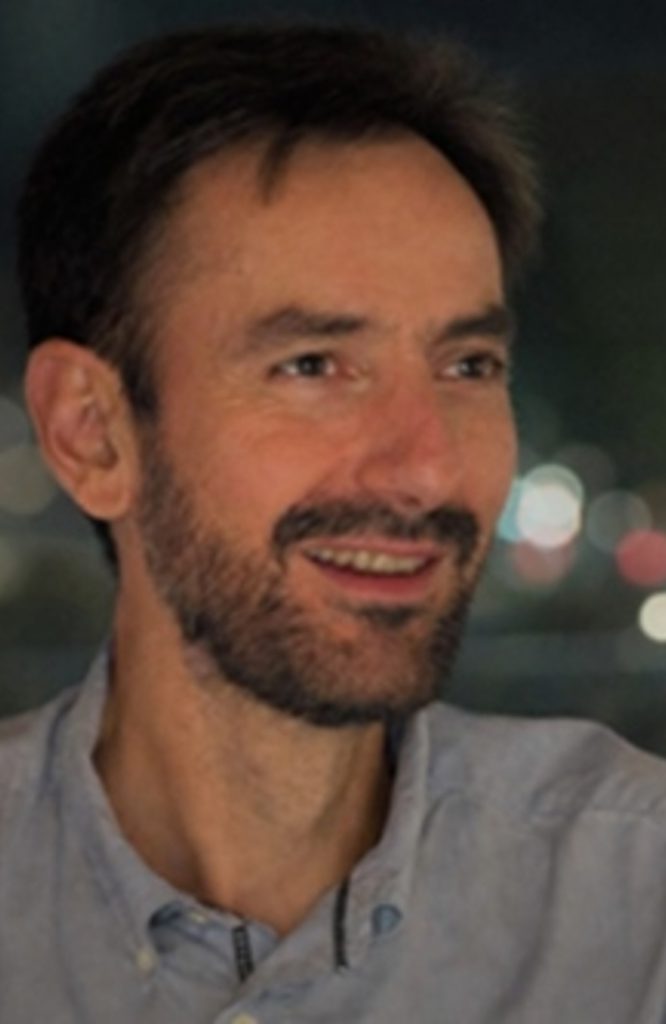
Ángel Hernández-García
Course Coordinator:
- Health Technology Business Management
- Entrepreneurship and Innovation in Biomedical Engineering
Ángel Hernández García holds a degree in Telecommunication Engineering, a SAP Master’s Degree in Integrated Information Systems, and a PhD in Information Systems in Business from UPM. He is an Associate Professor at the Department of Organisation Engineering, Business Administration and Statistics at ETSIT-UPM. He also holds the SAP certification “Development Consultant SAP NetWeaver 2004 – Application Development Focus ABAP”.
He is a member of the Innopro Research Group (Innovation, Industrial Property and Technology Policy) and the Educational Innovation Group TIGE-UPM (Information Technologies for Business Management). He is also a collaborating researcher at the Social Media Lab (Ted Rogers School of Management, Ryerson University) and a member of the SNOLA network (Spanish Network of Learning Analytics), recognised by the Spanish Ministry of Science and Innovation.
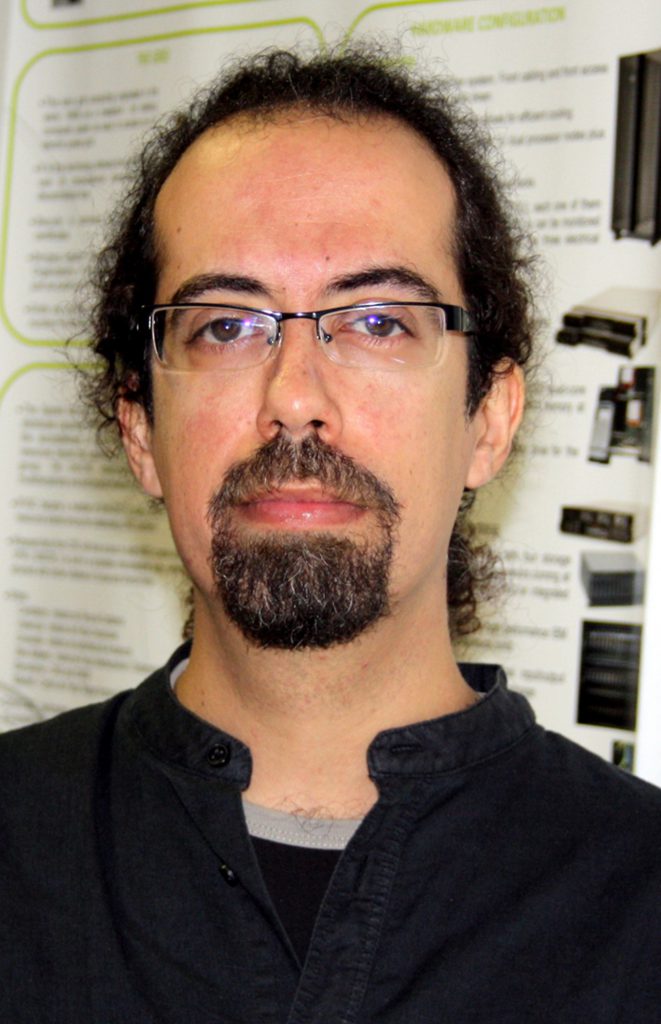
Antonio Pérez Serrano
Course Coordinator:
-
Biophotonics
Antonio Pérez Serrano obtained his degree in Physics and his PhD in Physics from the Universitat de les Illes Balears (UIB), in Palma de Mallorca (Spain), in 2006 and 2011, respectively. He completed his doctoral research at the Institute for Cross-Disciplinary Physics and Complex Systems (IFISC, UIB-CSIC), also in Palma de Mallorca.
In 2012, he moved to the Weierstrass Institute for Applied Analysis and Stochastics (WIAS) in Berlin, Germany. In 2014, he joined CEMDATIC at the Escuela Técnica Superior de Ingenieros de Telecomunicación (ETSIT), Universidad Politécnica de Madrid (UPM), Spain. In 2015, supported by a Juan de la Cierva fellowship, he joined the Department of Photonic Technology and Bioengineering (TFB) at ETSIT-UPM, where he is currently an Associate Professor (since 2024). He is currently Deputy Director of CEMDATIC.
His research interests include semiconductor lasers and photonic integrated circuits, as well as their applications in metrology and sensing, such as LiDAR systems and dual-comb spectroscopy. He is co-author of 34 JCR-indexed journal articles and 86 contributions to national and international conferences. He has participated in 2 European projects and 14 national or regional projects (3 as principal investigator), as well as in 6 industry contracts (4 as principal investigator).
He has supervised 1 PhD thesis and is currently supervising 2 more, as well as 14 undergraduate final projects and 7 master’s theses. He has been awarded 3 recognised research periods (sexenios) and 1 teaching period (quinquenio).
He teaches courses in optical communications, electronics and consumer photonics, functional materials, bioinstrumentation, biophotonics, microwave photonics, and integrated photonics. He is coordinator of a course within the Athens Programme, delivered in 9 editions, and is a member of the PhotonPedia educational innovation group, with which he has participated in 4 innovation projects, coordinating 3 of them.
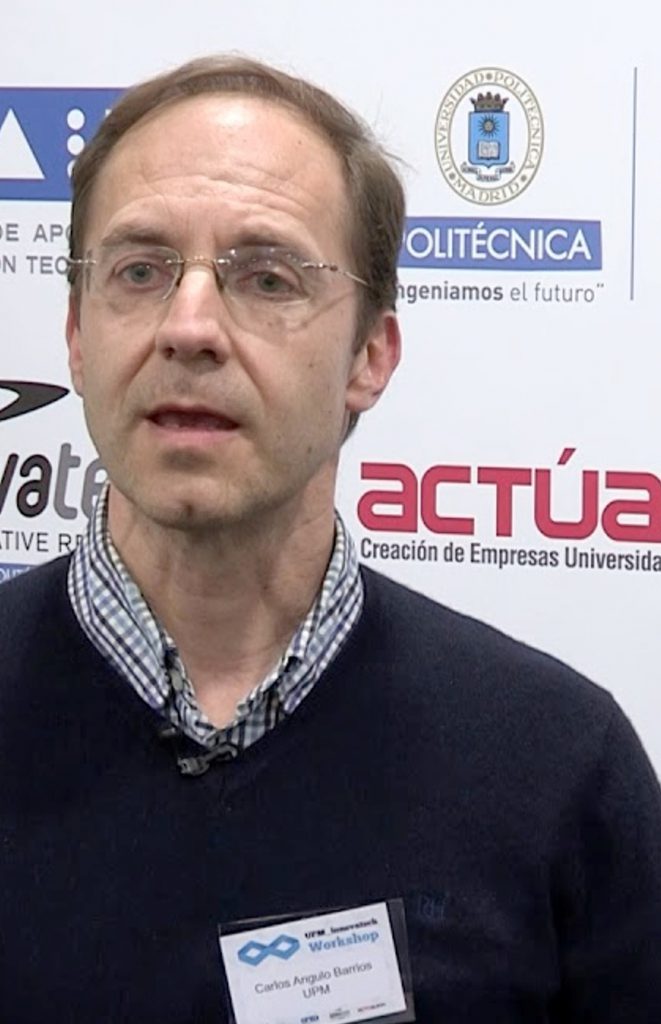
Carlos Angulo Barrios
Course Coordinator:
-
Nanomedicine Technologies
Carlos Angulo Barrios holds a degree in Telecommunication Engineering from UPM (1998) and a PhD from the Royal Institute of Technology (KTH), Stockholm, Sweden (2002). From 2002 to 2004, he was a Postdoctoral Researcher at Cornell University (USA). From 2004 to 2006, he was a Ramón y Cajal researcher at the Nanophotonics Technology Center of the Polytechnic University of Valencia.
In 2006, he returned to UPM, where he is currently an Associate Professor (I3) at the Institute of Optoelectronic Systems and Microtechnology (ISOM) and the Department of Photonic Technology and Bioengineering at ETSIT.
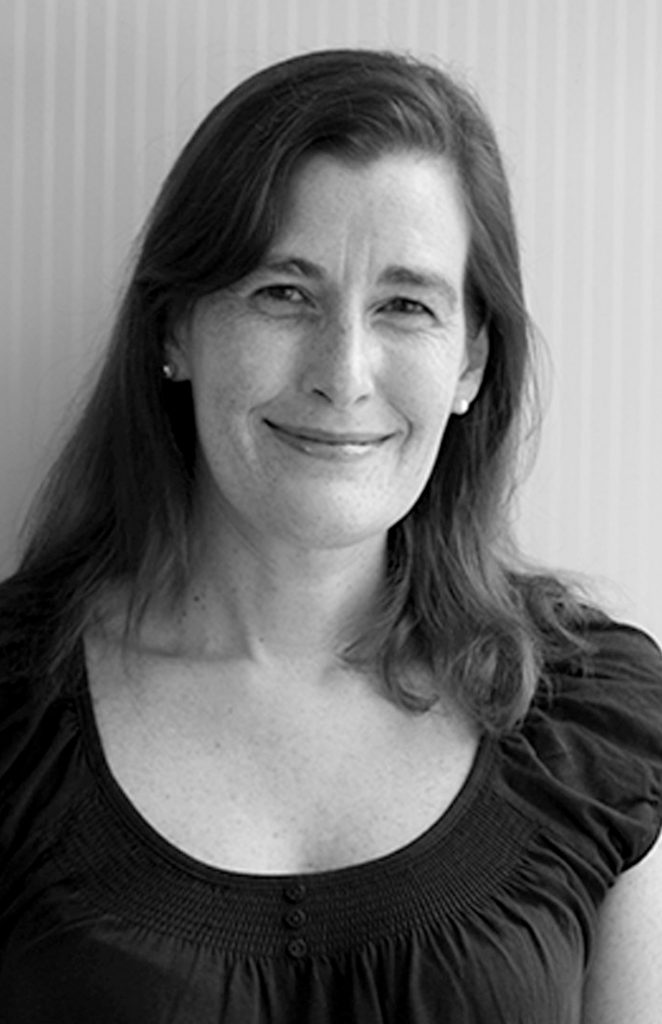
Cecilia Vera Muñoz
Course Coordinator:
-
Biomedical Engineering Research and Development Projects
Cecilia Vera Muñoz holds a Ph.D. in Biomedical Engineering and a Master’s degree in Telecommunications Engineering from the UPM. She is an Associate Professor in the Department of Photonic Technology and Bioengineering at the ETSIT-UPM and a member of the Life Support Technologies research group (LifeSTech) since 2005.
In addition to her teaching activities, she has extensive experience in the technical management and coordination of international projects and initiatives in the health domain.
She is a member of the Spanish Society of Biomedical Engineering and serves on the advisory committee of the Center for the Empowerment of Patients and Communities (CEmPaC).
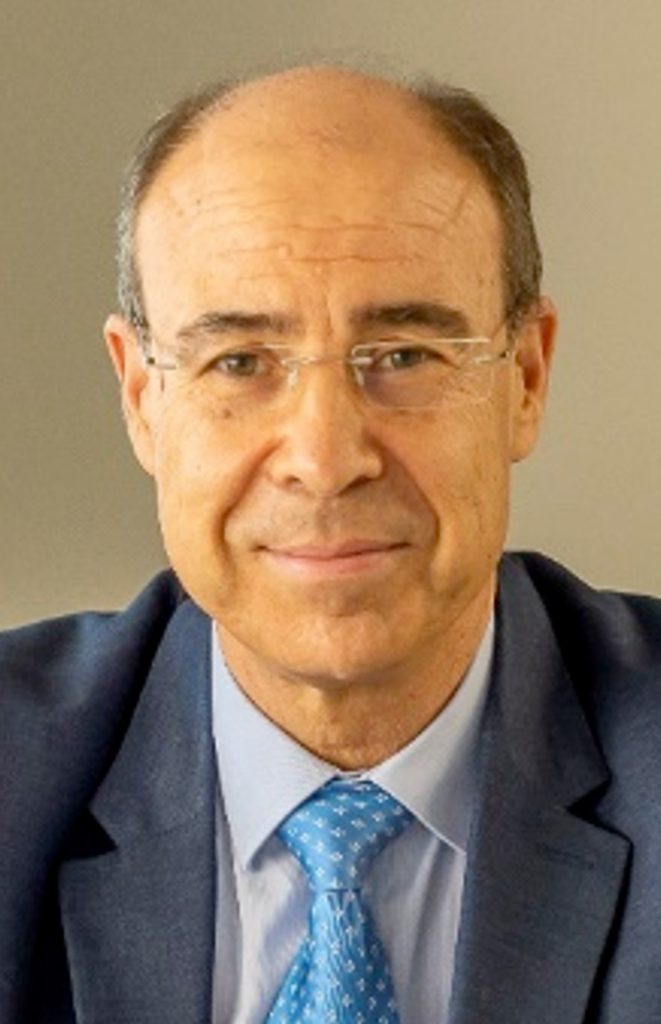
Enrique J. Gómez
Course Coordinator:
- Biomedical Images
- Personalized Medicine
- Clinical Seminars
- Master Thesis
He holds a PhD in Telecommunication Engineering from UPM, with a scientific career focused on Biomedical Engineering. He began his research in telemonitoring and telecare for chronic patients, particularly in type 1 diabetes. After completing his PhD, he contributed to the creation of the first European research programmes in telemedicine and eHealth.
In 1991, he was a Visiting Fellow at City University (Measurement and Information Institute), under the supervision of Prof. Ewart Carson, and since 1992 he has been a visiting professor at several European universities. He is currently Professor and Full Professor of Biomedical Engineering at UPM, Deputy Head of the Department of Photonic Technology and Bioengineering, and Director of the Bioengineering and Telemedicine Group.
He is also a researcher at CIBER-BBN (Instituto de Salud Carlos III) and the Biomedical Technology Centre at UPM. He has served as Director of EIT Health at UPM and President of EIT Health Spain.
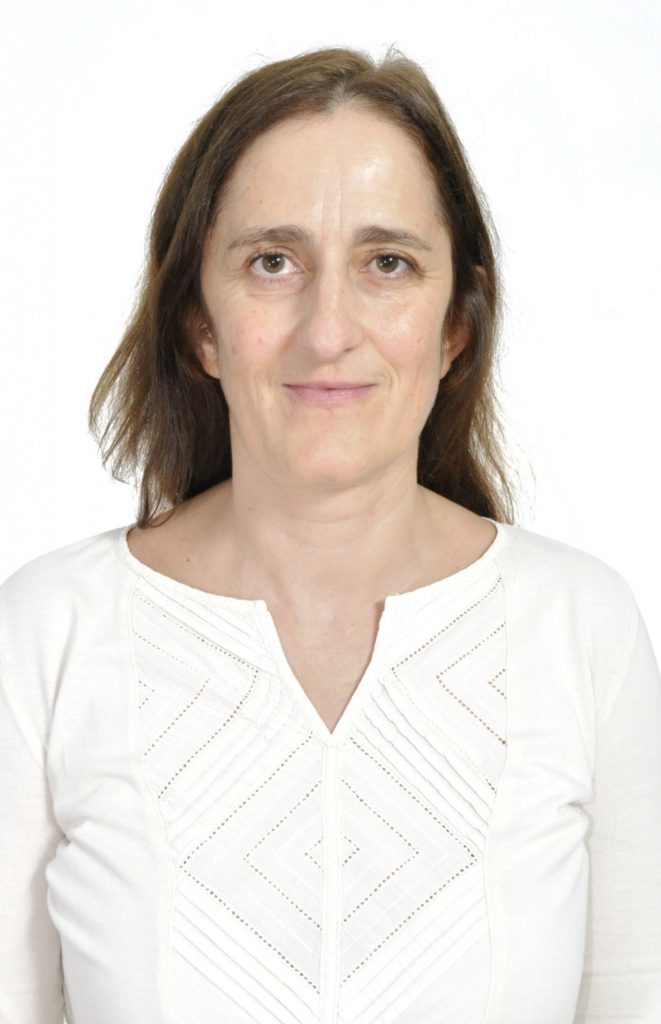
Gema García Sáez
Course Coordinator:
- Medical Data Intelligent Analysis
- Telemedicine Laboratory
Gema García Sáez obtained her PhD in Telecommunication Engineering from UPM in 2010. She has been an Assistant Professor at UPM since September 2016, teaching in both the Bachelor’s Degree and the Master’s Degree in Biomedical Engineering.
She is a researcher at the Biomedical Technology Centre and at CIBER-BBN. Her research focuses on Biomedical Engineering, particularly telemedicine systems (eHealth, mHealth) and clinical decision support systems for chronic disease management.
Giuseppe Fico
Course Coordinator:
-
Assistive Technologies
Giuseppe Fico is an Associate Professor at Universidad Politécnica de Madrid (UPM), coordinator of the Health area within the Life Supporting Technologies (LifeSTech) research group, and an affiliated researcher at the Instituto de Investigación Sanitaria del Hospital Clínico San Carlos. His work focuses on Biomedical Engineering, with an emphasis on digital health, artificial intelligence, IoT, and chronic disease monitoring.
He has participated in and coordinated European R&D&I projects (FP7, H2020, Horizon Europe, and IHI), leading initiatives such as ODIN, GATEKEEPER, ACTIVAGE, BEAMER, and IMPROVE, aimed at digital transformation, treatment adherence, and active ageing. His work has resulted in publications in high-impact international journals and contributions to leading scientific forums.
He is President of the European Alliance for Medical and Biological Engineering and Science and a member of the Administrative Council of the International Federation for Medical and Biological Engineering, collaborating with divisions focused on Digital Health, Clinical Engineering, and Health Technology Assessment (HTA).
He teaches undergraduate and master’s courses in Biomedical Engineering and Telecommunication Engineering at UPM.
José Javier Serrano
Course Coordinator:
- Bioinstrumentation
- Biophotonics
Prof. José Javier Serrano Olmedo obtained his degree in Telecommunication Engineering in 1990 and his PhD in 1996 from ETSIT-UPM. He is the Academic Secretary of the PhD Programme in Biomedical Engineering and Director of the Master’s Degree in Clinical Engineering and Hospital Management at UPM, a joint academic programme with Westfield Business School.
He is a member of CIBER-BBN, the Biomedical Technology Centre at UPM (CTB-UPM), and the Spanish Society of Biomedical Engineering (SEIB).
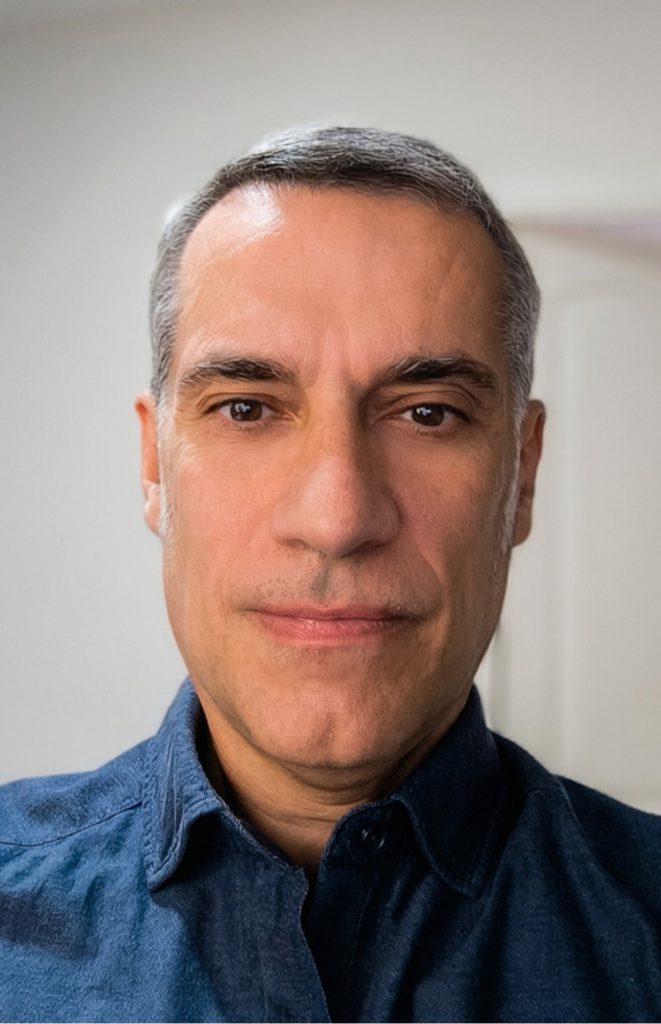
Juan José Gómez Valverde
Course Coordinator:
-
Biomedical Technologies Design
He holds a degree in Telecommunication Engineering (1999), a Master’s Degree in Biomedical Engineering (2013), and a PhD in Electronic Systems with International Mention (2018), all from UPM. In 2013, he also obtained the PMP (Project Management Professional) certification from PMI.
He has developed part of his professional career in the telecommunications and banking sectors, working as a project manager and consultant. In 2016, he began his academic career at UPM as an Assistant Lecturer, later becoming Assistant Professor (2020) and Associate Professor (2023).
He is a member of CIBER-BBN and the Information Processing and Telecommunications Center (IPTC).
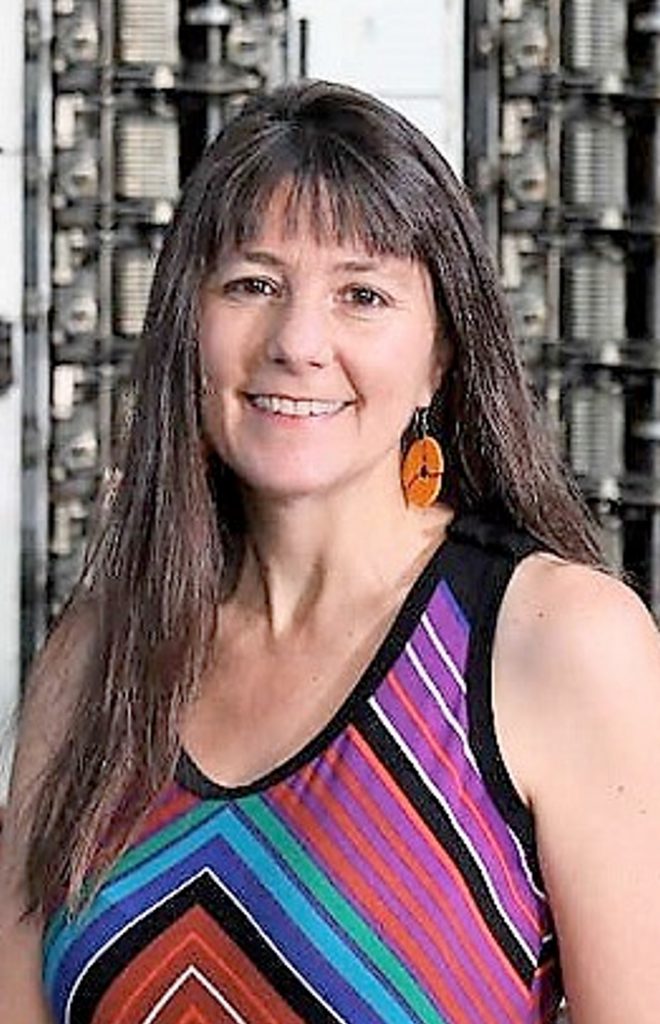
María Jesús Ledesma
Course Coordinator:
- Advanced Methods in Signal and Medical Images
- Advanced Methods in Biomedical Images II
María J. Ledesma Carbayo is a Full Professor at Universidad Politécnica de Madrid and a researcher at CIBER-BBN (Instituto de Salud Carlos III). She holds a degree in Telecommunication Engineering (1998) and a PhD from UPM (2003), with additional training in Biomedical Engineering and Bioengineering.
She carries out her teaching and research activities at ETSIT-UPM, where she leads several research lines in biomedical imaging technologies, with a particular focus on cardiovascular imaging, image processing, artificial intelligence, and image-guided surgery. Her research is aimed at improving clinical practice through innovative technological solutions.
She has an extensive international track record, including research stays at institutions such as Oxford, EPFL, NIH, Johns Hopkins, and UC San Diego, and has authored more than 250 scientific publications. She has led and participated in numerous national and international projects, collaborating with initiatives such as MIT-linQ and EIT Health. She is an IEEE Senior Member and actively involved in international cooperation initiatives.
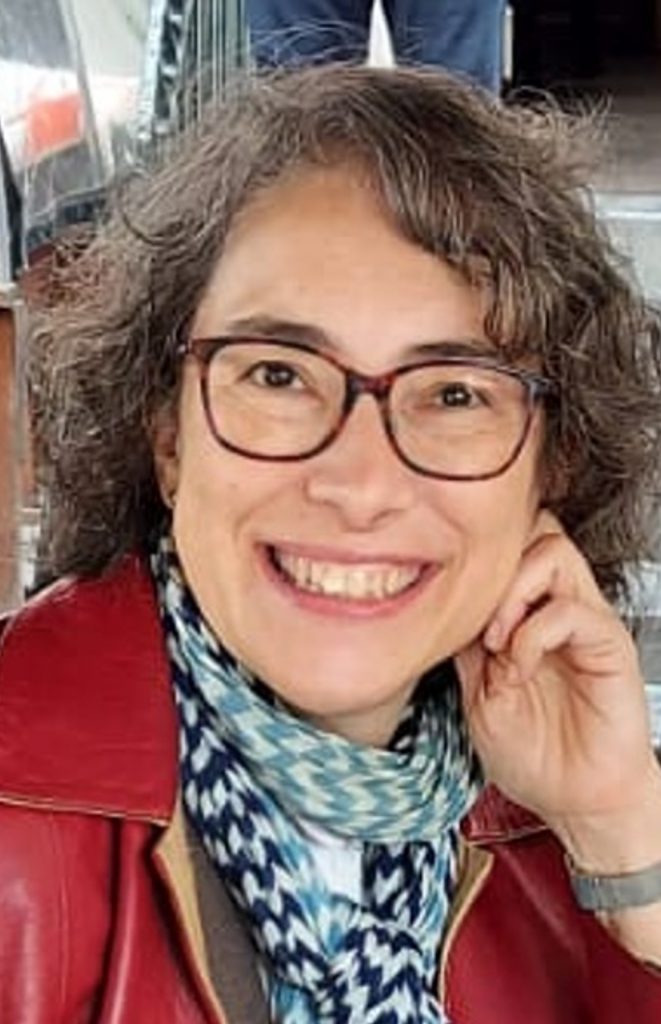
María Elena Hernando
Course Coordinator:
-
Biosystems Modelling and Simulation
Elena Hernando Pérez is a Full Professor at UPM. She has developed her teaching and research activities in Biomedical Engineering at ETSIT-UPM.
She is a member of the Bioengineering and Telemedicine Group and a founding member of the Biomedical Technology Centre at UPM. She is currently Principal Investigator at CIBER-BBN (Instituto de Salud Carlos III).
Her management roles include serving as Coordinator of the Bachelor’s Degree in Biomedical Engineering (2011–2018), elected member of the School Board, Secretary of the PhD Programme in Biomedical Engineering (2009–2013), and Department Secretary (2004–2006). She has been an IEEE Senior Member since 2012 and is a member of the national committee CENTC251 (AEN/CTN 139).
María Fernanda Cabrera
Course Coordinator:
- Telemedicine
- Ambient Intelligence
Dr. María Fernanda Cabrera-Umpiérrez holds a degree in Telecommunication Engineering, with specialisations in signal processing and electronics, and a PhD in Biomedical Engineering from UPM. She is currently an Associate Professor at the Department of Photonic Technology and Bioengineering at ETSIT-UPM.
She is Innovation Director of the Life Supporting Technologies research group (LifeSTech) and Financial Director of the UniversAAL IoT Coalition (UiC). In addition to her teaching activities, she coordinates and leads several competitive research projects funded at both national and European levels.
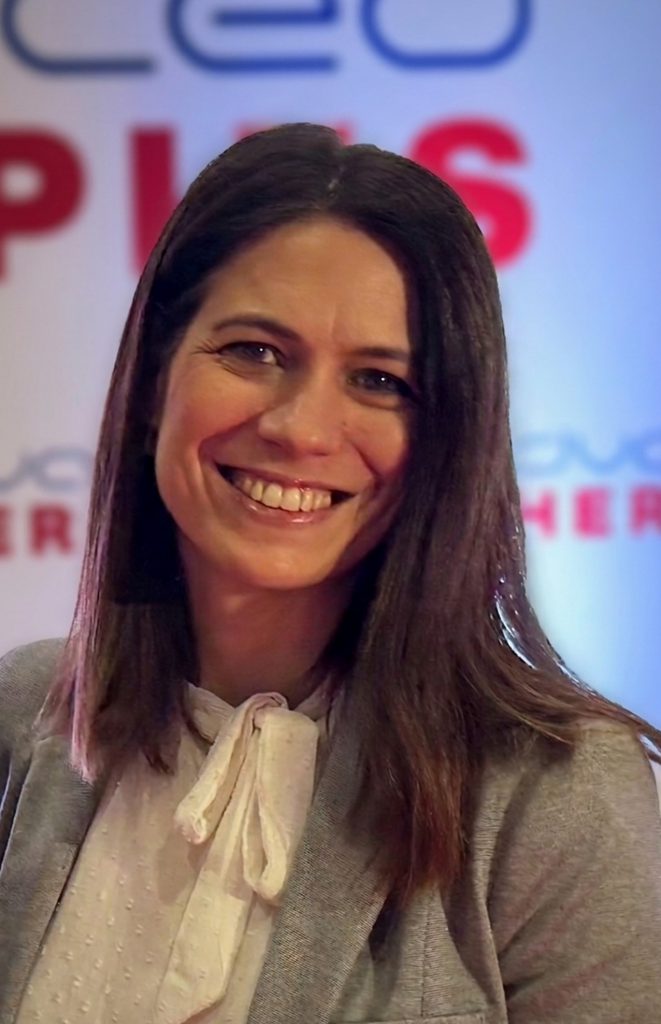
Núria Marí Buyé
Course Coordinator:
-
Regenerative Medicine
I hold a degree in Chemistry and a PhD in Bioengineering from the Institut Químic de Sarrià (IQS), Universitat Ramon Llull. My early research focused on biomaterials and tissue engineering, studying cell–material interactions for regenerative applications (bone, cardiac, cartilage, and hepatic), including functionalized surfaces and 3D hydrogels, and was complemented by research stays at MIT and the Translational Centre for Regenerative Medicine in Leipzig. I later continued my work at Universidad Politécnica de Madrid (UPM), specializing in silk fibroin-based biomaterials. Since 2014, I have been R&D Manager and currently Scientific Director at Aglaris Cell S.L., leading the development of advanced automated technologies for ATMP manufacturing, including novel bioreactor platforms with integrated monitoring and control systems. I also coordinate multidisciplinary R&D initiatives at national and European level. Since 2014, I am also affiliated with UPM as Associate Professor, contributing to teaching in biomaterials and regenerative medicine from a translational perspective.
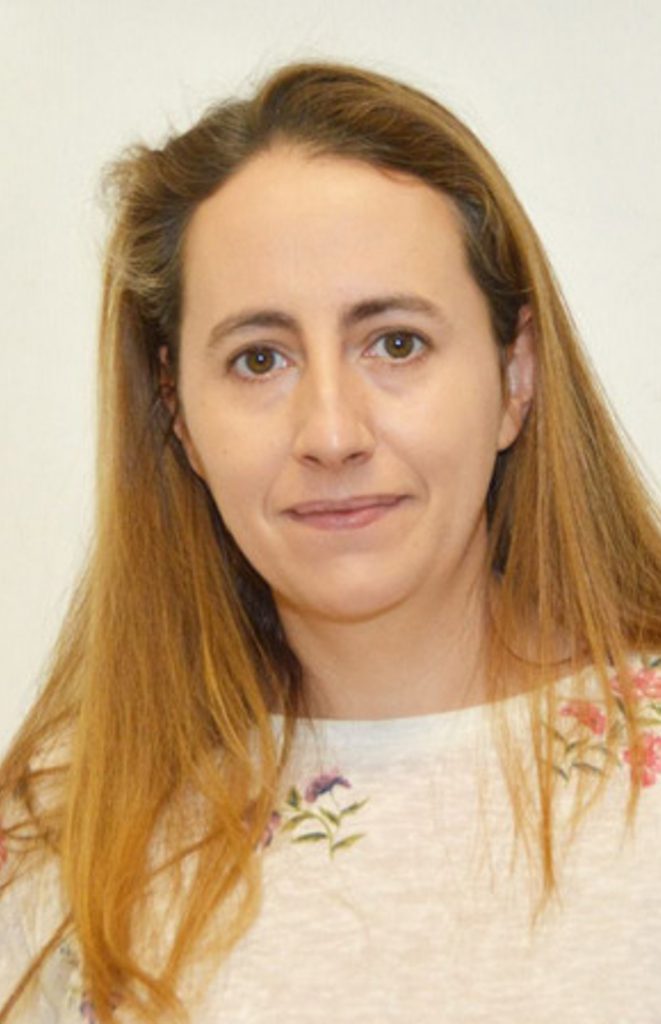
Patricia Sánchez González
Course Coordinator:
- Biomedical Engineering Professional Projects
- Medical Imaging Laboratory
- External Internships
She holds a degree in Telecommunication Engineering (2006) and a PhD (cum laude, with award for best doctoral thesis) in Biomedical Engineering (2011) from UPM. Since 2004, she has been a member of the Bioengineering and Telemedicine Group.
She is Director of the research laboratory on Surgical Training and Image-Guided Surgery at the Biomedical Technology Centre (CTB). She has been an Assistant Professor at UPM since 2015 and, since 2018, Academic Secretary of the Master’s Degree in Biomedical Engineering.
She has participated in several scientific committees of international conferences and is a reviewer for scientific journals. She is also an advisory board member of a national research centre and a member of the Spanish Society of Biomedical Engineering since 2007.
